
Identification
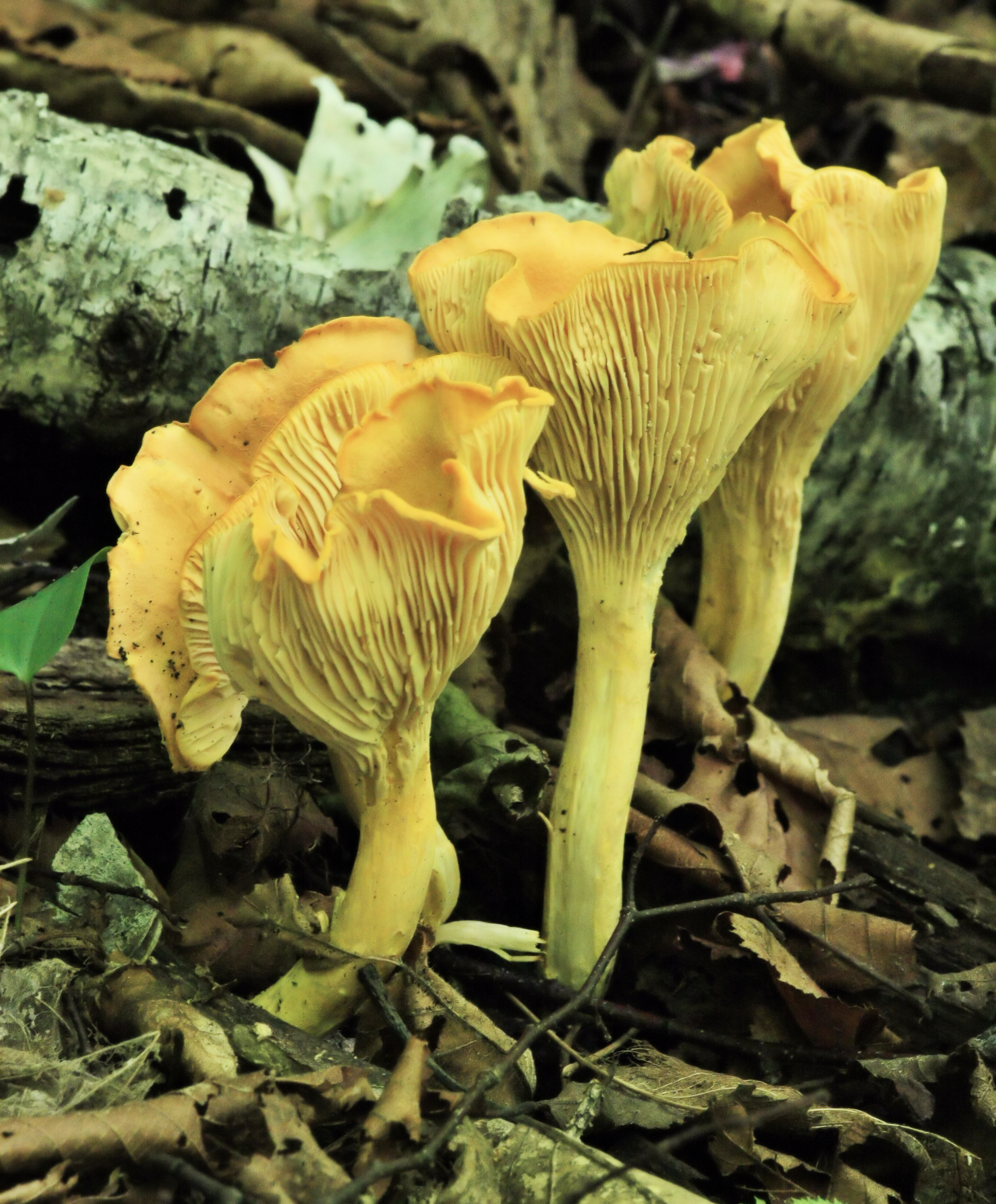
Chanterelle Identification in Ontario's Mixed Forests
False ridges, egg-yolk colour, and the apricot scent that sets Cantharellus cibarius apart from its lookalikes — a field-level breakdown for eastern Canada.
Canadian Forest Ecology
Linden Hollow covers edible and toxic mushroom species found across Canadian provinces — from the chanterelle flushes of Ontario's mixed forests to the matsutake stands of coastal British Columbia. Species profiles, seasonal patterns, and foraging ethics, written without shortcuts.
Recent Entries
Three areas that matter most to anyone spending time in Canadian forests — identification, safety, and timing.
Identification
False ridges, egg-yolk colour, and the apricot scent that sets Cantharellus cibarius apart from its lookalikes — a field-level breakdown for eastern Canada.

Safety
From Amanita phalloides in BC to Galerina marginata in boreal stands — species responsible for the majority of serious poisonings in Canada, with distinguishing features for each.

Seasonality
Month-by-month guide to what fruits when, from early morels in May to lion's mane in October — with notes on regional variation across provinces.
Forest Floor Ecology
Mycorrhizal networks connect the root systems of most trees in Canadian forests. Without them, nutrient transfer between soil, fungi, and trees breaks down. Understanding these relationships changes how foragers think about what they're picking and where they're standing.
Read Seasonal GuideSpecies at a Glance
Golden Chanterelle
Cantharellus cibarius

Oyster Mushroom
Pleurotus ostreatus
Black Morel
Morchella elata
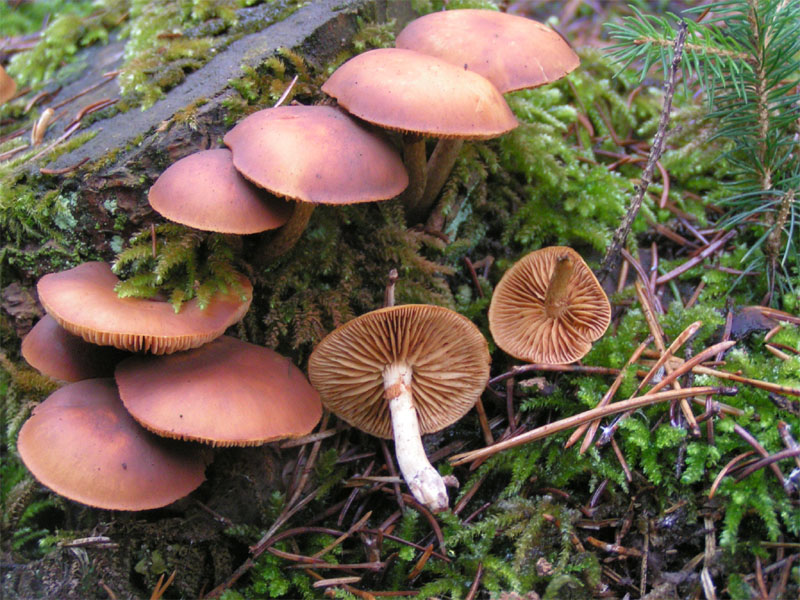
Deadly Galerina
Galerina marginata — toxic
Most provincial parks and protected areas restrict or prohibit the commercial harvest of wild fungi. Even in areas where personal foraging is permitted, the general guidance from ecologists is to take no more than a third of a visible fruiting patch — not because of a rule, but because fungi reproduce through spores released at maturity and dispersed by physical contact during harvest.
Several First Nations communities in BC and Ontario hold traditional relationships with specific forest areas, including their fungi. Awareness of land use histories matters before entering an area.
Identification Note
Every year, BC Poison Control receives calls involving mushroom ingestions. The majority involve species that resemble edible ones in isolation — white Amanita species misidentified as puffballs, Galerina marginata confused with honey mushrooms, Amanita phalloides taken for Amanita mappa. Correct identification requires checking cap, gills, stem, volva, ring, spore print, and habitat simultaneously. One feature is never enough.
Toxic Species ReferenceGet in Touch
Questions about species profiles, corrections, or regional field notes can be sent through the form below or directly to contact@lindenhollow.org.
The three articles on this site cover identification, toxic species, and seasonal timing across Canadian forests.
Start With Chanterelles